← Back to the abundance project
Our Story
Fifteen years. One breakthrough. It started with a single burning field.
Our Story
In 2010, our founder traded Silicon Valley for a coconut plantation on a small island in the Philippine Sea. He went looking for an industry ready for modernization. He found a system so broken that no business school framework had a category for it.
Families who had worked the land for generations earned less from a full year’s harvest than the cost of a flight back to California. Hundreds of millions of tons of structural fiber burned in open fields, season after season, because the market saw no value in it. Children grew up breathing the smoke.
He gave himself six months to solve it.
Six months became ten years.
We embedded with farmers. We built pilot factories in conditions with no cell service and only sometimes electricity. We worked through typhoons, bureaucratic labyrinths, and the particular difficulty of inventing something the existing system had no category for. When super-typhoon Odette damaged our family home in 2021, the mission became personal in a way it had not been before.
The breakthrough came in two parts. An off-grid manufacturing platform that could operate in remote tropical terrain. And a solution to a twenty-year materials science puzzle: converting coconut husks into structural fiberboard without synthetic binders, producing a building material that stores more carbon than it emits, resists fire and water, and is built to last a century. Together, they became the CPU. Our Innovation Center in the Philippines, where the production line runs and the boards are made and measured, was completed in 2026.
This is a fifteen-year project that is only just beginning.
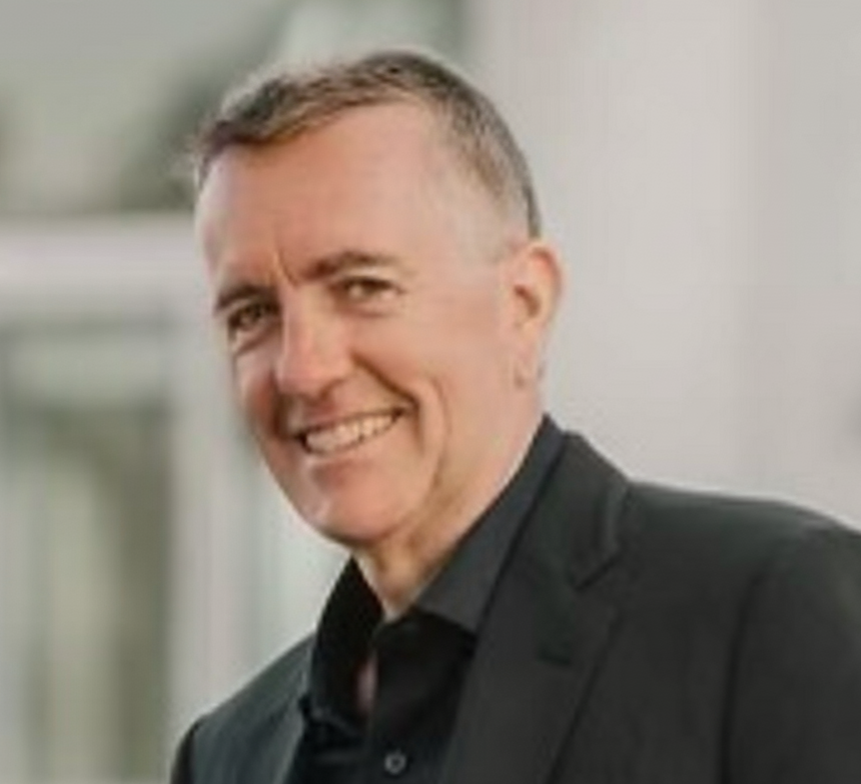
Matthew left a career in Silicon Valley software for the plantation in 2010 and has not left the problem since. His invention is the system itself: a manufacturing platform that goes to where the abundance is instead of asking the abundance to come to it. A constellation of containers that powers itself from the waste it processes and deploys into a remote plantation with no grid and no road to reach it. He saw abundance where the market saw waste, built the architecture that turns a single board into a self-funding cascade, and carries the thesis and the fifteen years of field relationships that make it real. He designed the platform around the places everyone else wrote off as unreachable, because those are exactly the places the abundance is.
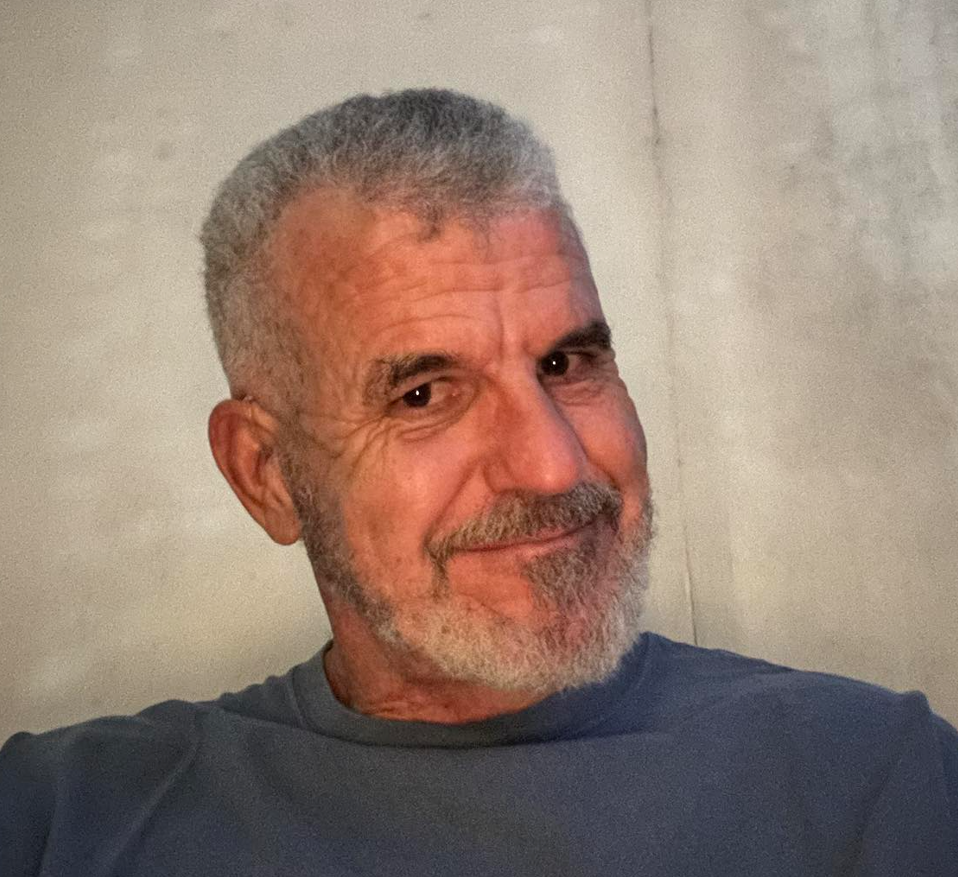
Robert is the reason the material exists. The binderless board was not designed on a whiteboard; it was earned through thousands of failed pressings until the chemistry finally held. He knew which properties to build toward because he knew what they were for: the kit houses he designed for our public-housing initiative. The board did not come first and find a use; he engineered it to the house. He is a master craftsman and an engineer with the instincts of a philosopher, the one who makes things work where the conditions say they should not, with no infrastructure to lean on and nothing to improvise from but ingenuity. His craft is embedded permanently in everything Globe-Eco builds.
How We Think
The same conviction that the abundance was always in the field shapes how we write. A clear idea, fully formed, is latent value until something makes it legible to the people who need it. We built a key for that too. A Generative Way to Communicate
The asset is alive. The key is built. The turn is yours.